Spring Garden Planning Tips for Families: Growing Food, Saving Money & Building Traditions

As Spring approaches, I start thinking about my garden — and I’m guessing I’m not alone.

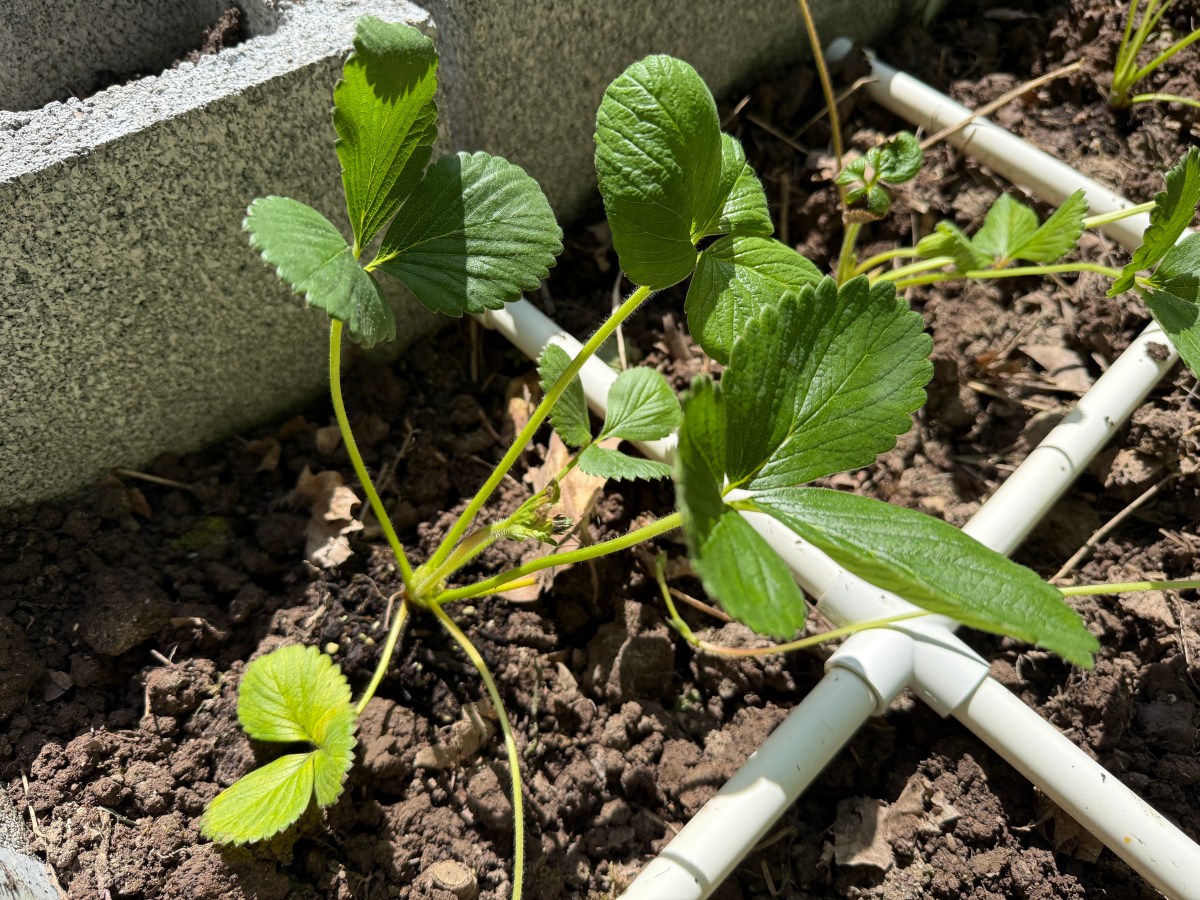
Our family has always grown something. From tomatoes in big pots on our apartment balcony years ago to the square-foot garden we have now and continues to evolve with our family.

For me, gardening isn’t just about fresh food. It’s about connection to my environment and self-sufficiency.  Even though we don’t produce enough to be self-sufficient, I believe that it is a life skill that I could expand to that level should I ever need to.

I grew up with a family garden. Every year, my dad would plan and plant it out. Rows were marked, seeds were tucked into the soil, and we kids were enlisted to help — planting seeds, picking vegetables at the peak of freshness, preparing the harvest for meals. I remember snapping green beans, grumbling as kids do, never imagining I’d one day be planting and snapping beans in my own kitchen.

My mom was the one who transformed the harvest. She froze green beans, canned tomatoes, and made jam from the cherries off our tree and the grapes from our arbor. The garden didn’t end when summer did — it carried us into winter through jars, freezer bags, and shelves lined with the results of all that work.

And then there were the neighborhood sweet corn days. Our farming neighbor planted extra sweet corn for several families. At harvest, there would be a giant bonfire between our house and the next-door neighbor’s with a huge black kettle balanced on top, water boiling. The farming family would fill their pickup truck at the field and bring it over arrived, piled high with corn. It was an all-day event — husking, boiling, cutting kernels off the cob, bagging everything for the freezer.

Us kids? We were mostly climbing on the truck bed, shucking corn, slathering hot ears with butter, and eating until we couldn’t anymore.

I also have fond memories of backyard raspberries. I remember picking berries in my grandpa’s backyard and having containers of raspberries brought to our house to share. Raspberries still feel like an intergenerational tradition and treat to me.  And not just raspberries, but black-raspberries.  Black-raspberry pie reminds me of my great-grandma and great-aunts.  Family gatherings just weren’t complete without their black-raspberry pies.

Last year, we received blackberry canes from a friend. I’m so curious to see how they wintered over and what they’ll do this spring. This year, I’m hoping to add a couple currant bushes.  My grandma used to make currant jelly.  We’re starting to lean into perennial fruits that make good use of our space and gently support the family budget.

Our square-foot garden currently includes perennial herbs — lavender, sage, thyme, and oregano — plants that return year after year. I love having herbs for tea and seasoning without needing to replant them annually.  We still reserve space for annual favorites though — beans (using seeds saved from my deliveries through Rancho Gordo), basil, cucumbers, and whatever else the family is excited about that season.

We also participate in a CSA, which is honestly more consistent than my hobby-level gardening efforts. But even so, I deeply appreciate being able to use our own small space for feeding the family as much as we can.


Garden Planning

If you are getting ready to plan your garden for this year, whether it is large or small, here are some tips:

🪴 Plan your space wisely.
Consider sunlight, drainage, and spacing. Use raised beds or containers for small spaces. Rotate crops to maintain soil health.

🪴 Map for companion planting.
Be intentional about where vegetables, herbs, and flowers go. Choose seeds suited to your climate — cool-season crops like lettuce and peas thrive early, while tomatoes and peppers need warmth.

🪴 Start seeds indoors & stagger plantings.
Give yourself a head start and plan for continuous harvests instead of everything ripening at once.

A well-planned garden maximizes space, minimizes pests, and sets you up for a beautiful, bountiful season.

For me, though, it’s also about carrying forward something I didn’t fully appreciate as a child — and now treasure as an adult.

The Nutrition of Winter Vegetables (and Why Butternut Squash Is a Standout)

Winter vegetables are loaded with essential nutrients that help support immunity and overall health during the colder months — especially when cold and flu rates tend to rise.

Seasonal produce like root vegetables, cruciferous vegetables, leafy greens, and winter squash are rich in:

  • Vitamin C for immune support
  • Vitamin A (beta-carotene) for immune and eye health
  • Fiber for digestive health
  • Antioxidants that help reduce inflammation
  • Potassium and magnesium for overall balance

These nutrients work together to support the body when stress, limited sunlight, and seasonal illnesses are more common.

Why Choose Butternut Squash?

Butternut squash is one of the most nutrient-dense winter vegetables available. It provides:

  • High levels of beta-carotene (vitamin A precursor)
  • Vitamin C
  • Fiber
  • Natural sweetness without added sugar

Its creamy texture and mild flavor make it easy to incorporate into a wide variety of meals.

Seasonal eating is one of the simplest ways to align your nutrition with what your body needs most. Winter vegetables aren’t just hearty — they’re functional.

Below, you’ll find a delicious butternut squash stew recipe to help you bring these immune-supporting nutrients into your kitchen this season.

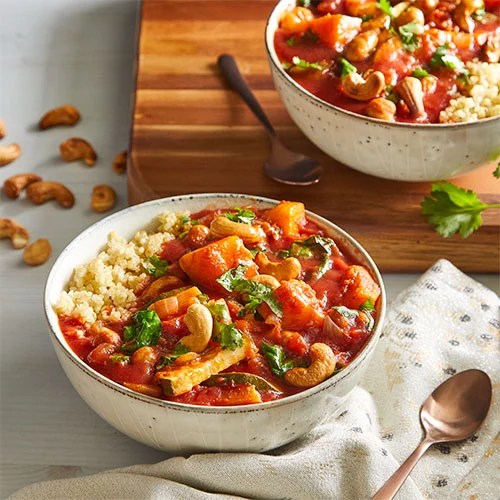
Roasted Butternut Squash Stew

Ingredients

  • 1 small butternut squash, peeled and cut into cubes (about 3 cups/750 mL)
  • ½ tsp (2 mL) salt, divided
  • 1½ tsp (7 mL) or Pumpkin Pie Spice
  • Optional: ⅛ tsp (0.5 mL) ground cayenne pepper
  • 1 medium onion
  • 1 medium zucchini
  • 2 garlic cloves, pressed
  • 1 can (28 oz. /796 mL) crushed tomatoes
  • 1 can (15 oz./450 mL) chickpeas, drained and rinsed
  • 1½ cup (375 mL) low-sodium vegetable broth
  • 2 cups (500 mL) baby spinach leaves
  • 2 cups (500 mL) cooked quinoa
  • Optional Toppings: Roasted cashews, chopped cilantro, plain yogurt, hot sauce

Directions

  1. Preheat the oven to 400°F (200°C). Combine the squash, 1 tbsp (15 mL) of the oil, ½ tsp (2 mL) of the pumpkin pie spice, ¼ tsp (1 mL) of the salt, and the cayenne (if using), in a medium bowl.
  2. Place the squash in a single layer on a sheet pan. Bake until tender and beginning to brown, about 20 minutes.
  3. Meanwhile, coarsely chop the onion and slice the zucchini into ¼” (6-mm) half-moons.
  4. Heat the remaining oil in a large pot over medium-high heat. Add the onion and remaining salt and cook until softened, about 3 minutes. Add the garlic and cook until fragrant, about 1 minute. Add the remaining pumpkin pie spice; cook and stir for 30 seconds.
  5. Stir in the tomatoes, chickpeas, zucchini and broth. Bring to a boil, then reduce the heat and simmer for 5 minutes.
  6. Gently stir in the squash. Simmer for 5 minutes. Remove from the heat; add the spinach and stir until wilted.
  7. Serve over cooked quinoa with optional toppings, if you like. Cilantro and cashews are highly recommended!

Yield

4 Servings

Nutrients per serving:

U.S. nutrients per serving: Calories 420, Total Fat 9 g, Saturated Fat 1 g, Cholesterol 0 mg, Sodium 970 mg, Carbohydrate 75 g, Fiber 17 g, Total Sugars 18 g (includes 0 g added sugar), Protein 17 g

Tips:

Save some time by using store-bought fresh or frozen squash that’s already peeled and cut. Frozen squash won’t get as browned as fresh, but a preheated sheet pan will help.

Easy Change-Ups

Serving Ideas: No quinoa? It’ll be just as delicious over rice, couscous, or toasted naan.

Simple Swaps: This recipe is so flexible. You can substitute cannellini beans for the chickpeas, sweet potatoes for the butternut squash, and broccoli or cauliflower florets for the zucchini.

Adapted from: Roasted Butternut Squash Stew

Two Easy Strawberry Desserts for Valentine’s Day Dessert Boards

Strawberries and chocolate are a Valentine’s classic—but they don’t have to be store-bought to feel special.

Chocolate-covered strawberries make an excellent stand-alone dessert or edible gift, and they’re much easier to make at home than most people expect. With just a few ingredients and a little patience, you can create a treat that feels indulgent without being over the top.

For an extra touch, a strawberry rose adds visual impact to any Valentine’s Day dessert board or date-night spread. It’s a simple technique that turns fresh fruit into something decorative and fun—perfect for pairing with chocolate, cookies, or other small sweets.

I’ve shared two quick video shorts to walk you through both ideas:
🍓 Chocolate-Dipped Strawberries: https://www.youtube.com/shorts/ouXCnyZ4HM

🌹 Strawberry Rose: https://www.youtube.com/shorts/N3DRHqtmwOk

Simple techniques, fresh fruit, and a little chocolate—sometimes that’s all you need.

Valentine’s Day, Your Way: A Cozy Winter Dinner

Valentine’s Day has a way of arriving with a lot of noise: crowded restaurants, expensive menus, the pressure to make it “special.”

But over the years, I’ve found that the moments that stay with me most aren’t the elaborate ones. They’re the quiet ones. The cozy, homemade ones.

One of my favorite early dating memories is a simple night in watching Lady and the Tramp. When the spaghetti scene came on, my boyfriend (now husband 💗) disappeared into the kitchen… and came back with actual plates of spaghetti and meatballs.

It was playful. Unexpected. Tender. Not fancy. Not expensive. Just thoughtful.

And somehow unforgettable.

That’s the kind of Valentine’s warmth I want to hold onto—the kind you can create right at home.

A Pasta Dish for February Comfort

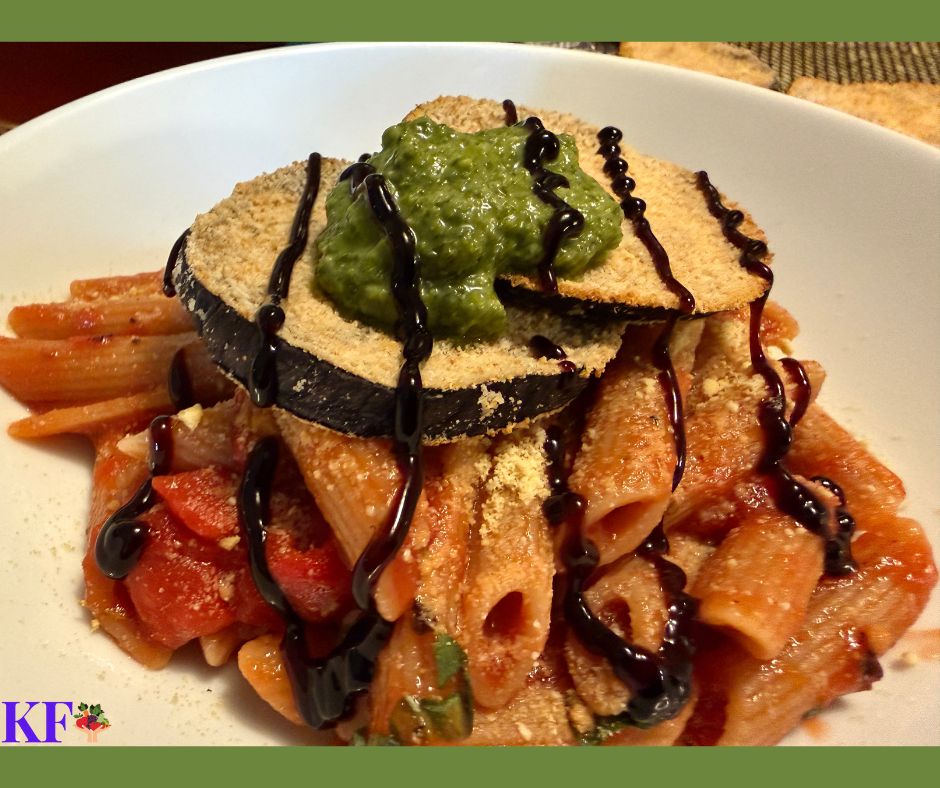
This week, I’m featuring Roasted Red Pepper Pasta, and it feels perfect for this season.

Roasted red peppers bring a sweetness and richness that tastes like summer tucked into winter. It’s warm, comforting, and simple enough for a weeknight with family… but special enough for a dinner for two.

It’s also a reminder that some of the best meals come from pantry staples, not reservations.

Recipe Link

You can find the full recipe here: Roasted Red Pepper Pasta

https://www.pamperedchef.com/pws/kathyfortner/recipe/Main+Dishes/30+Minutes+or+Less/Roasted+Red+Pepper+Pasta/1432174

Plant-based adaptations: Plant-based as written, but I added breaded eggplant cutlets in the picture above.

Gluten-free adaptation: Use your favorite gluten-free pasta.

A Gentle February Reminder

However you spend Valentine’s Day—romantic dinner, friendship celebration, or a quiet night to yourself—I hope it includes something warm.

A bowl of pasta.

A candle.

A moment of pause in the middle of winter.

Because sometimes the most meaningful celebrations are the ones we make at home.