Brewed with Intention: Tea blends, travel traditions, and everyday moments of calm

I have a confession to make – tea is a bit of an obsession in my house.

I have a lot of tea. Enough that I probably shouldn’t be buying more… and yet, here we are. From herbal to green to black to chai, my collection keeps growing—especially now that I’m dipping my toes into blending my own.

It started simply enough. A few favorites here and there, including a homemade chai blend inspired by Richa Hingle that quickly became a staple. But over time, I found myself wanting to experiment more. Now I keep pantry jars stocked with base teas like lapsang souchong, Darjeeling, green, and rooibos tea—often buying them in bulk so I can mix and match.

From there, it’s easy to get creative.

I’ve added in dried elderberries and peppermint, and I’ve even started drying my own fruit and herbs at home, like cranberries, oranges, and sage. There’s something really satisfying about creating a blend that’s exactly what you’re in the mood for—whether that’s calming, energizing, or just cozy.

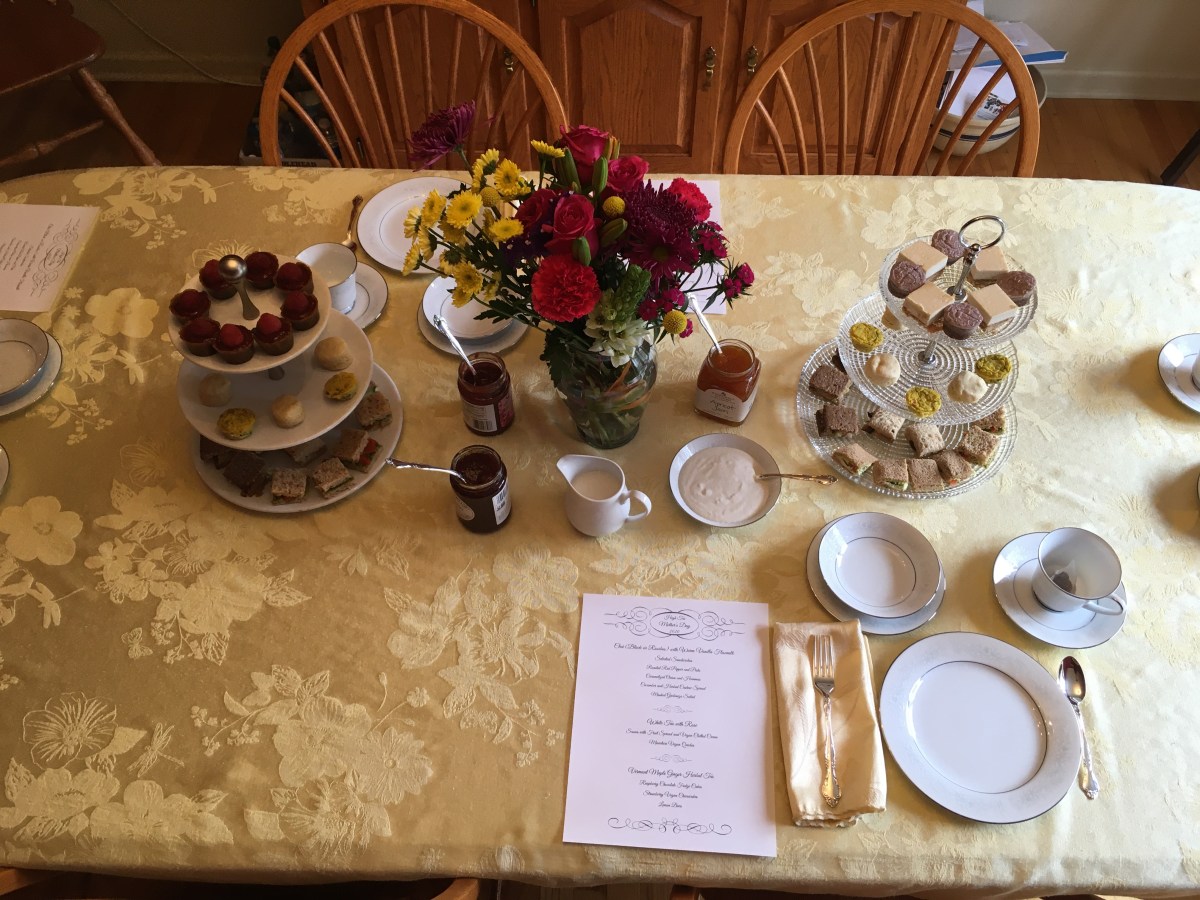
Tea isn’t just something I drink—it’s something I experience. One of my favorite memories was when my husband and younger son served afternoon tea for Mother’s Day in 2020, during Covid. It was absolutely delicious, but the most heart-warming part was seeing them working in the kitchen together.
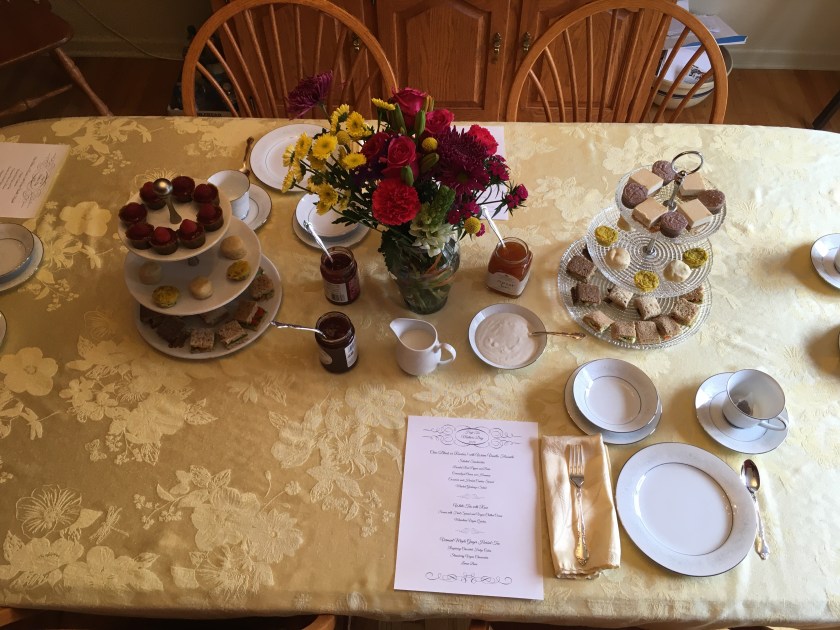
When we travel, my husband and I make a point to seek out afternoon tea whenever we can. We’ve enjoyed it at the Washington Duke Inn & Golf Club, in Prince Edward Island and Ottawa, and even during a trip to Scotland. Each experience is a little different, but they all share that same sense of slowing down and savoring the moment.

And then there’s the history side of tea—which I love just as much.

One of my favorite stops was the Boston Tea Party Ships & Museum. The tour brings the story of the Boston Tea Party to life in such an engaging way, but I’d be lying if I said I didn’t spend just as much time in the gift shop. Tea everywhere, from the teas carried on the original shipments, accessories, and all the charming little extras you didn’t know you needed.

Of course, beyond the experience and creativity, tea also comes with some real benefits. Different types of tea offer different perks:

  • Green tea is rich in antioxidants like catechins, which may support heart health and help reduce cancer risk.
  • Black tea contains compounds that support gut health and sustained energy.
  • Herbal teas (like peppermint or rooibos) can aid digestion, relaxation, and hydration.

And getting the most out of your tea comes down to how you steep it:

  • Green tea: 2–3 minutes
  • Black tea: 4–5 minutes
  • Herbal tea: 5–7 minutes

One of my personal favorites lately is a green tea with peppermint, sage, and a touch of local honey. It’s fresh, slightly earthy, and incredibly soothing. It’s one of those simple combinations that just works. If you want to see exactly how I make it, I’ve shared a quick video.

Whether you’re someone who grabs a tea bag on the go or someone who’s ready to start blending your own, tea has a way of meeting you where you are. It can be quick and convenient, or slow and intentional.

For me, it’s a little bit of both—and I wouldn’t have it any other way. 🍵

The Nutrition of Winter Vegetables (and Why Butternut Squash Is a Standout)

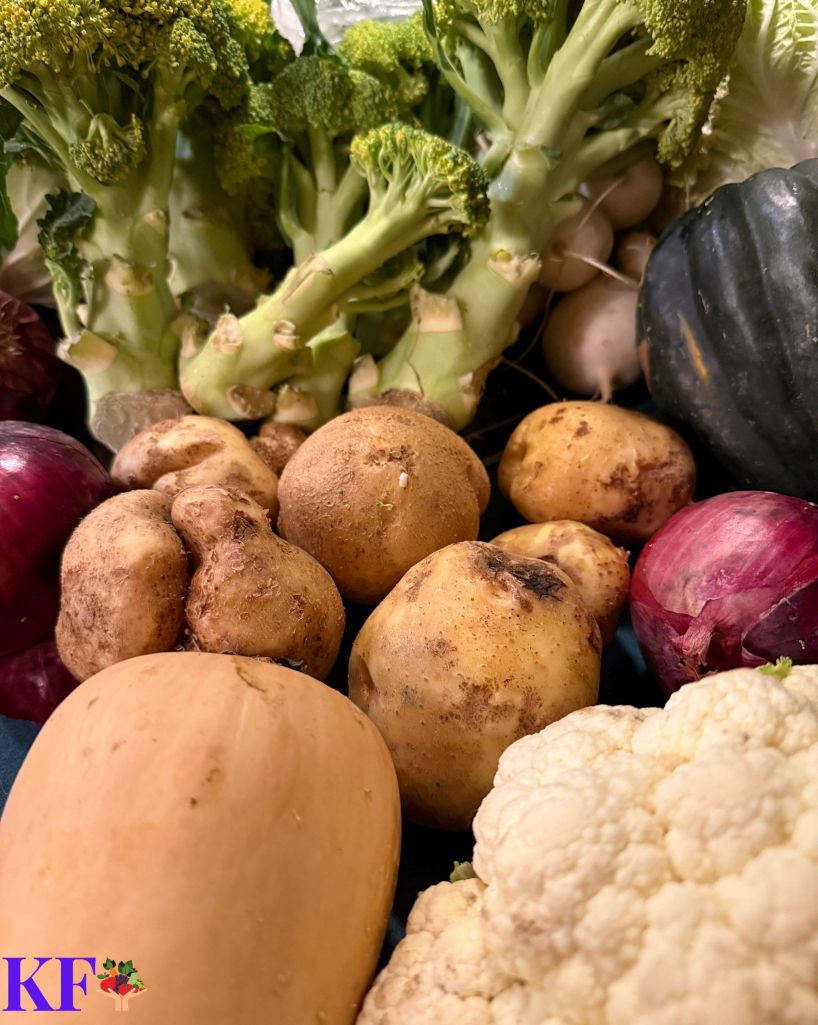
Winter vegetables are loaded with essential nutrients that help support immunity and overall health during the colder months — especially when cold and flu rates tend to rise.

Seasonal produce like root vegetables, cruciferous vegetables, leafy greens, and winter squash are rich in:

  • Vitamin C for immune support
  • Vitamin A (beta-carotene) for immune and eye health
  • Fiber for digestive health
  • Antioxidants that help reduce inflammation
  • Potassium and magnesium for overall balance

These nutrients work together to support the body when stress, limited sunlight, and seasonal illnesses are more common.

Why Choose Butternut Squash?

Butternut squash is one of the most nutrient-dense winter vegetables available. It provides:

  • High levels of beta-carotene (vitamin A precursor)
  • Vitamin C
  • Fiber
  • Natural sweetness without added sugar

Its creamy texture and mild flavor make it easy to incorporate into a wide variety of meals.

Seasonal eating is one of the simplest ways to align your nutrition with what your body needs most. Winter vegetables aren’t just hearty — they’re functional.

Below, you’ll find a delicious butternut squash stew recipe to help you bring these immune-supporting nutrients into your kitchen this season.

Roasted Butternut Squash Stew

Ingredients

  • 1 small butternut squash, peeled and cut into cubes (about 3 cups/750 mL)
  • ½ tsp (2 mL) salt, divided
  • 1½ tsp (7 mL) or Pumpkin Pie Spice
  • Optional: ⅛ tsp (0.5 mL) ground cayenne pepper
  • 1 medium onion
  • 1 medium zucchini
  • 2 garlic cloves, pressed
  • 1 can (28 oz. /796 mL) crushed tomatoes
  • 1 can (15 oz./450 mL) chickpeas, drained and rinsed
  • 1½ cup (375 mL) low-sodium vegetable broth
  • 2 cups (500 mL) baby spinach leaves
  • 2 cups (500 mL) cooked quinoa
  • Optional Toppings: Roasted cashews, chopped cilantro, plain yogurt, hot sauce

Directions

  1. Preheat the oven to 400°F (200°C). Combine the squash, 1 tbsp (15 mL) of the oil, ½ tsp (2 mL) of the pumpkin pie spice, ¼ tsp (1 mL) of the salt, and the cayenne (if using), in a medium bowl.
  2. Place the squash in a single layer on a sheet pan. Bake until tender and beginning to brown, about 20 minutes.
  3. Meanwhile, coarsely chop the onion and slice the zucchini into ¼” (6-mm) half-moons.
  4. Heat the remaining oil in a large pot over medium-high heat. Add the onion and remaining salt and cook until softened, about 3 minutes. Add the garlic and cook until fragrant, about 1 minute. Add the remaining pumpkin pie spice; cook and stir for 30 seconds.
  5. Stir in the tomatoes, chickpeas, zucchini and broth. Bring to a boil, then reduce the heat and simmer for 5 minutes.
  6. Gently stir in the squash. Simmer for 5 minutes. Remove from the heat; add the spinach and stir until wilted.
  7. Serve over cooked quinoa with optional toppings, if you like. Cilantro and cashews are highly recommended!

Yield

4 Servings

Nutrients per serving:

U.S. nutrients per serving: Calories 420, Total Fat 9 g, Saturated Fat 1 g, Cholesterol 0 mg, Sodium 970 mg, Carbohydrate 75 g, Fiber 17 g, Total Sugars 18 g (includes 0 g added sugar), Protein 17 g

Tips:

Save some time by using store-bought fresh or frozen squash that’s already peeled and cut. Frozen squash won’t get as browned as fresh, but a preheated sheet pan will help.

Easy Change-Ups

Serving Ideas: No quinoa? It’ll be just as delicious over rice, couscous, or toasted naan.

Simple Swaps: This recipe is so flexible. You can substitute cannellini beans for the chickpeas, sweet potatoes for the butternut squash, and broccoli or cauliflower florets for the zucchini.

Adapted from: Roasted Butternut Squash Stew

Valentine’s Day, Your Way: A Cozy Winter Dinner

Valentine’s Day has a way of arriving with a lot of noise: crowded restaurants, expensive menus, the pressure to make it “special.”

But over the years, I’ve found that the moments that stay with me most aren’t the elaborate ones. They’re the quiet ones. The cozy, homemade ones.

One of my favorite early dating memories is a simple night in watching Lady and the Tramp. When the spaghetti scene came on, my boyfriend (now husband 💗) disappeared into the kitchen… and came back with actual plates of spaghetti and meatballs.

It was playful. Unexpected. Tender. Not fancy. Not expensive. Just thoughtful.

And somehow unforgettable.

That’s the kind of Valentine’s warmth I want to hold onto—the kind you can create right at home.

A Pasta Dish for February Comfort

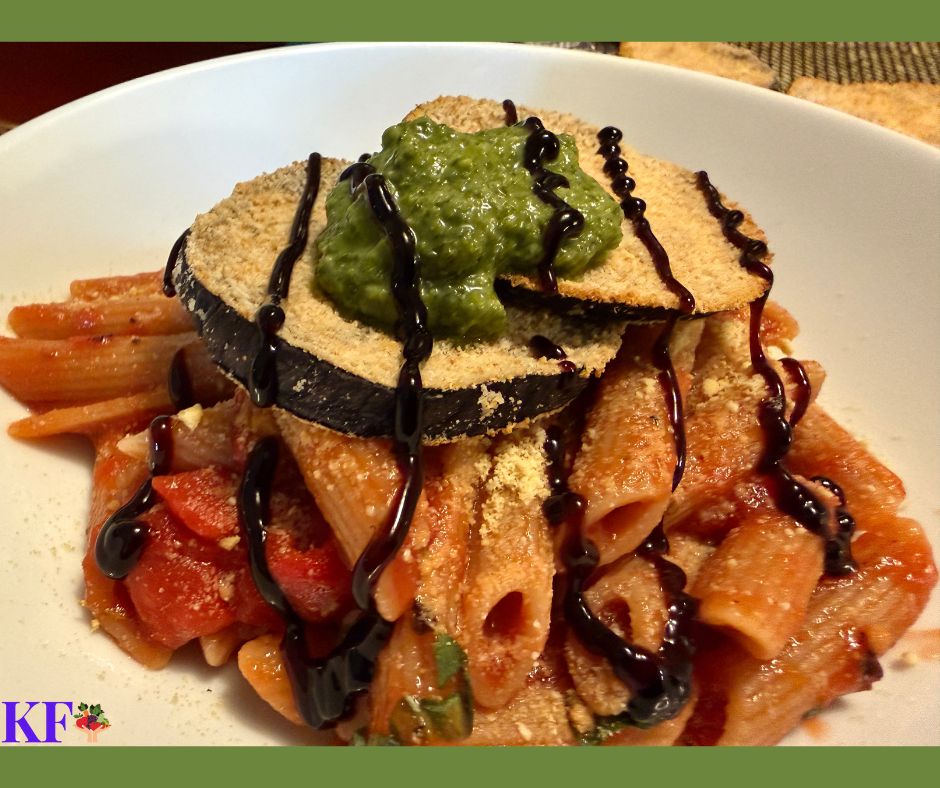
This week, I’m featuring Roasted Red Pepper Pasta, and it feels perfect for this season.

Roasted red peppers bring a sweetness and richness that tastes like summer tucked into winter. It’s warm, comforting, and simple enough for a weeknight with family… but special enough for a dinner for two.

It’s also a reminder that some of the best meals come from pantry staples, not reservations.

Recipe Link

You can find the full recipe here: Roasted Red Pepper Pasta

https://www.pamperedchef.com/pws/kathyfortner/recipe/Main+Dishes/30+Minutes+or+Less/Roasted+Red+Pepper+Pasta/1432174

Plant-based adaptations: Plant-based as written, but I added breaded eggplant cutlets in the picture above.

Gluten-free adaptation: Use your favorite gluten-free pasta.

A Gentle February Reminder

However you spend Valentine’s Day—romantic dinner, friendship celebration, or a quiet night to yourself—I hope it includes something warm.

A bowl of pasta.

A candle.

A moment of pause in the middle of winter.

Because sometimes the most meaningful celebrations are the ones we make at home.

What Joining a CSA Taught Me About Seasonal Eating

Every growing season begins the same way in our house—not with a grocery list, but with anticipation. We don’t ask what we feel like eating; we ask what’s coming next.

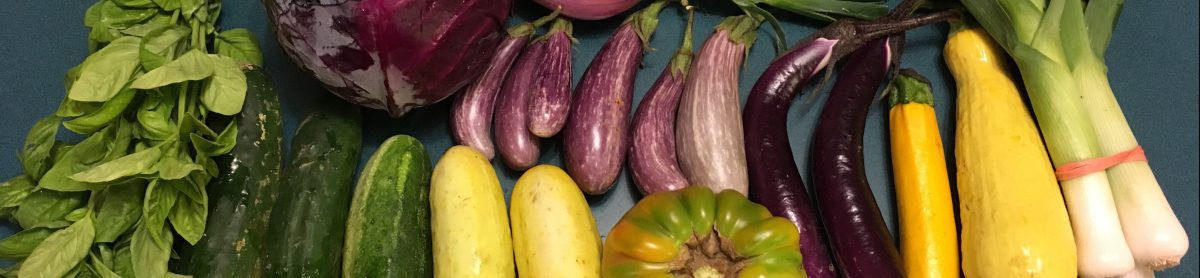
I’ve been a CSA member for years, and it’s changed the way my family experiences food—not just what we eat, but how we move through the seasons. CSA stands for Community Supported Agriculture. When you join, you purchase a seasonal share from a local farm and receive regular boxes of fresh, locally grown produce. It’s a direct connection to the people growing your food and a meaningful way to support local agriculture.

One of the unexpected joys of CSA life has been learning to look forward to specific vegetables. As the season shifts, my husband and I start anticipating what’s on its way. When leek and potato season approaches, we’re already talking about potato leek soup. Over time, we’ve begun curating favorite recipes that align with the rhythm of the harvest, letting the produce guide our meal planning instead of the other way around.

Being part of a CSA has also broadened our experience with vegetables. We’ve tried things we never would have chosen on our own and discovered produce we didn’t even know existed—like husk cherries. Some weeks feel familiar and comforting; others feel like a small culinary adventure, and I’ve come to value both.

More recently, I was reminded just how practical CSA life can be. This past weekend, as we prepared for a major winter storm, I was grateful to have a winter CSA share on hand. While others were making last-minute grocery runs, I spent Saturday cooking—making double batches of yellow split pea soup and a hearty mushroom stew. Parsnips, carrots, onions, and potatoes from our share all found their way into those pots. On Sunday evening, we finished the weekend with a simple root vegetable hash made with beets, sweet potatoes, and onions—again, all from our CSA. It felt grounding, nourishing, and reassuring in the best possible way.

I’ve belonged to several CSAs over the years, and each one has done things a little differently. Some focused on variety, others on abundance, and some—like our current one—offer winter shares that extend the season well beyond summer. Each experience has offered something unique and reinforced that there’s no single “right” way to participate—only what works best for your household.

Many CSAs open membership around this time of year. If you’re curious about finding one near you, localharvest.org is a great place to explore options, and their CSA guide at localharvest.org/csa/ offers helpful, practical information.

I’d love to know: Is there a seasonal dish you look forward to each year—or a way seasonal cooking has shown up in your life recently?